Source Eyeglasses Case for Optical, Sunglasses, and Reading Use
Compare 30 eyeglasses case options from verified Chinese manufacturers. Buyers can evaluate materials like plastic and PU, customization features, and MOQs ranging from 10 to 1200 pieces for optical and sunglasses packing needs; compare the available evidence and request quotations based on your requirements.
Key considerations
Products List


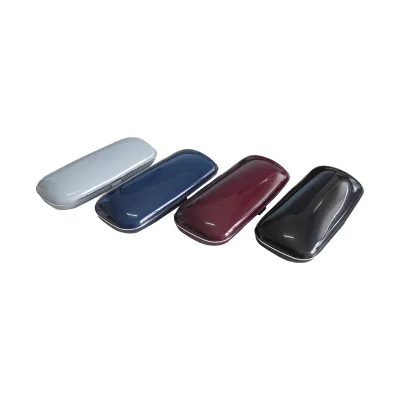
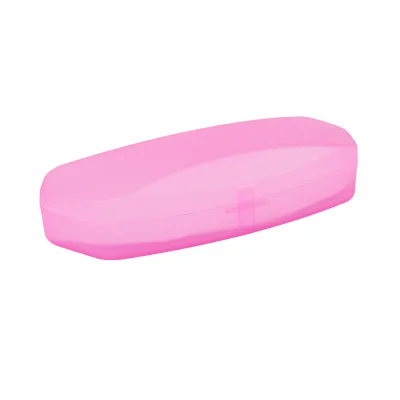
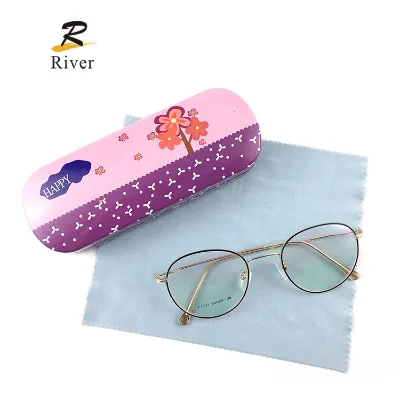


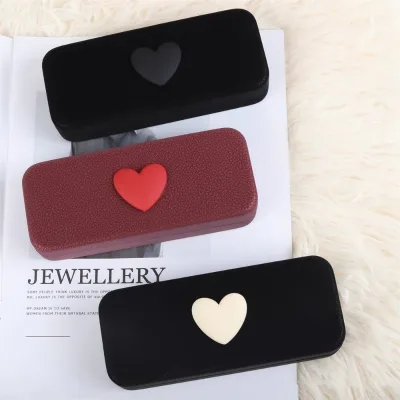




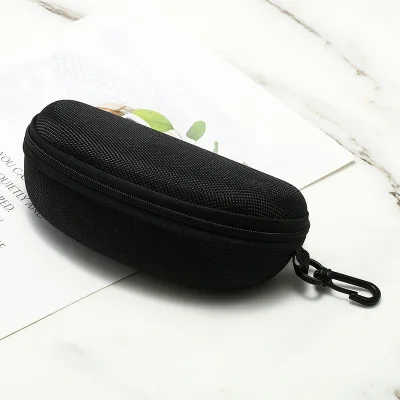

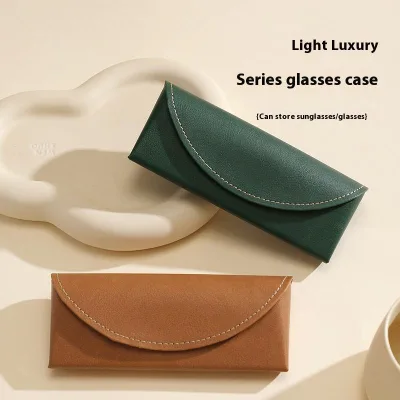


Comprehensive Sourcing Guide
Eyeglasses Case Sourcing Guide
Product Scope and Observed Listing Signals
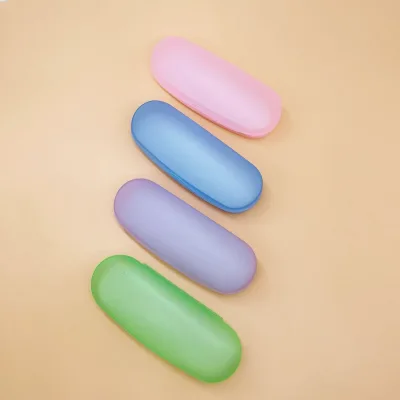
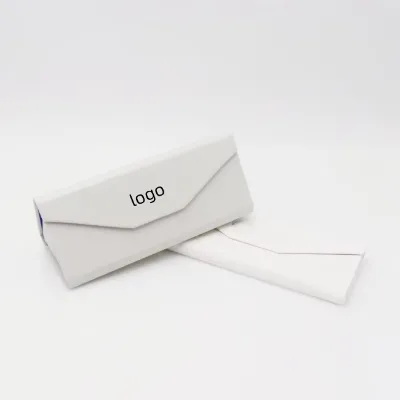
The current market for eyeglasses cases presents a diverse array of options tailored to distinct functional and aesthetic requirements. Buyers will encounter products ranging from simple, pattern-less plastic cases to more elaborate handmade or PU leather alternatives. The observed listings indicate a strong emphasis on customization, with many suppliers offering custom logos and tailored color options such as red, white, blue, and green. This flexibility allows brands to align packaging with their specific identity, whether for optical retail or fashion accessories.
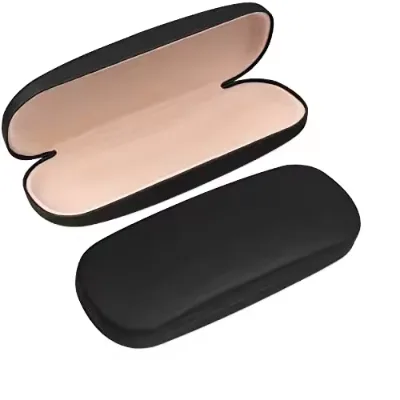
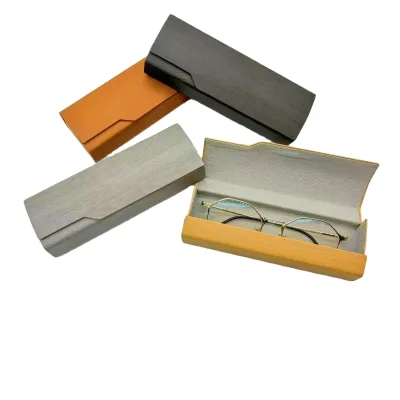
Observations also reveal a mix of structural designs, including both unfolded rigid cases and folding reading glasses cases. Materials vary significantly, with plastic and iron being common choices, suggesting durability and cost-efficiency are key drivers. The presence of terms like "fashionable" and "eco-friendly" highlights the importance of style and sustainability in modern procurement. Buyers must carefully distinguish between these varied product types to ensure the selected case meets the specific protection and branding needs of their end-users.
Technical Specifications to Verify
Verifying physical dimensions is critical to ensuring the case fits the intended eyewear securely. Listings show sizes such as 15.5x6.5x2.5cm and 15.9x5.3x3.0cm, indicating that standardization is not universal. Buyers must confirm that the internal cavity matches the frame dimensions of their products to prevent damage during transit. Additionally, the distinction between rigid plastic cases and folding designs impacts storage efficiency and user convenience, requiring careful evaluation of the target market's preferences for portability versus protection.
Material composition and structural integrity are equally important technical factors. While plastic cases offer lightweight durability, iron components may provide enhanced rigidity for specific models. Buyers should verify the exact material grade and construction methods, such as the use of PU leather for premium finishes. It is also essential to confirm the packing configuration, whether it is individual poly bags or bulk carton quantities, as this affects logistics planning and shelf presentation. Ensuring these specifications align with product requirements prevents costly mismatches in the supply chain.
Compliance and Safety Documentation
Regulatory compliance is a non-negotiable aspect of sourcing eyeglasses cases, particularly when targeting international markets. Some suppliers reference adherence to FDA, CE, and ISO EN 14889:2003 standards, which are crucial for demonstrating product safety and quality. Buyers must request valid certification documents to verify these claims, as standards vary by region and application. Ensuring that materials do not contain harmful substances is vital for consumer safety and brand reputation, especially for products that come into direct contact with users.
Documentation should also cover environmental and safety testing results, such as SGS reports, which provide independent verification of product attributes. Buyers should inquire about the specific scope of these certifications to ensure they cover the relevant materials and manufacturing processes. It is important to note that some listed standards may refer to dimensions rather than safety protocols, so clarification is necessary. Maintaining a robust compliance file helps mitigate legal risks and facilitates smoother customs clearance in regulated jurisdictions.
Cost Drivers and Commercial Terms
Pricing in the eyeglasses case market is influenced by material costs, customization levels, and order volume. The observed price range of 0.1 to 5.98 USD reflects significant variation based on product complexity and quality. Buyers should analyze how factors like custom logos, specific colors, and material choices impact the unit cost. Understanding these drivers allows for more accurate budgeting and negotiation, ensuring that cost-saving measures do not compromise product quality or delivery timelines.
Minimum Order Quantities (MOQs) and lead times are key commercial terms that affect supply chain flexibility. Listings show MOQs ranging from 10 to 1200 pieces, with delivery times around 30 days. Buyers must align their order volumes with supplier capabilities to avoid stockouts or excess inventory. Negotiating favorable terms, such as reduced MOQs for initial trials or expedited shipping options, can enhance operational efficiency. Clear communication regarding payment terms and packaging specifications is essential to prevent misunderstandings and ensure smooth transactions.
Supplier Qualification and Quality Control
Evaluating supplier qualifications is essential for establishing a reliable supply chain. Buyers should verify the supplier's location, with many originating from regions like Jiangsu and Wenzhou in China, known for manufacturing expertise. Assessing the supplier's capacity for OEM and ODM services indicates their ability to meet custom requirements. It is also important to review their production history and client feedback to gauge reliability and consistency in delivering high-quality products that meet specified standards.
Quality control measures must be rigorously implemented to ensure product consistency. Buyers should establish clear acceptance criteria for materials, dimensions, and finish quality. Conducting pre-shipment inspections or requesting sample approvals can help identify potential defects early in the process. Collaborating with suppliers on quality improvement initiatives fosters long-term partnerships and ensures that products meet the brand's expectations. Regular audits and performance reviews help maintain high standards and address any issues promptly.
Long-Term Procurement Checks
Sustaining a successful procurement strategy requires ongoing monitoring and adaptation. Buyers should regularly review supplier performance metrics, including delivery accuracy, product quality, and responsiveness to issues. Building strong relationships with suppliers facilitates better communication and collaboration, leading to improved service levels and potential cost savings. Staying informed about market trends and technological advancements in case design and materials helps buyers remain competitive and meet evolving consumer demands.
Continuous improvement in procurement processes is vital for long-term success. Buyers should periodically reassess their supplier base to ensure it aligns with strategic goals and risk management practices. Diversifying suppliers can mitigate risks associated with single-source dependencies. Additionally, implementing feedback loops from end-users can provide valuable insights for product refinement and innovation. By maintaining a proactive approach to procurement, buyers can ensure a resilient and efficient supply chain that supports business growth.
FAQs
What materials are used for these eyeglasses cases?
The eyeglasses cases are primarily made from plastic and PU materials. Some specific models also utilize iron for durability. These materials ensure the cases are lightweight yet protective for optical and sunglasses storage needs.
Can I request a custom logo on the eyeglasses case?
Yes, custom logo customization is available for these eyeglasses cases. Buyers can request specific branding to be applied to the product. This service supports OEM and ODM requirements for various optical businesses seeking unique packaging solutions.
What is the minimum order quantity for these cases?
The minimum order quantity varies, with observed values ranging from 10 to 1200 pieces. Specific listings indicate an MOQ of 1000 pieces for certain models. Buyers should verify the exact requirement based on the selected product model and supplier.
Which certifications do these eyeglasses cases meet?
These eyeglasses cases meet FDA, CE, ISO, and SGS standards. Specific models comply with EN 14889: 2003 standards. These certifications ensure the products adhere to safety and quality requirements for international markets and optical industry applications.
How long is the delivery time for these cases?
The standard delivery time for these eyeglasses cases is approximately 30 days. This lead time applies to production and shipping processes. Buyers should confirm specific timelines with suppliers as variations may occur based on order volume and customization needs.
What colors are available for the eyeglasses cases?
Available colors include red, white, blue, and green for standard models. Customized color options are also available upon request. Buyers can select from existing palettes or specify unique shades to match their brand identity or product line requirements.
Where are these eyeglasses cases manufactured?
These eyeglasses cases are manufactured in China, specifically in Jiangsu and Wenzhou regions. The products originate from established manufacturing hubs known for optical accessories. Buyers can expect consistent quality and production capacity from these specific geographic locations.